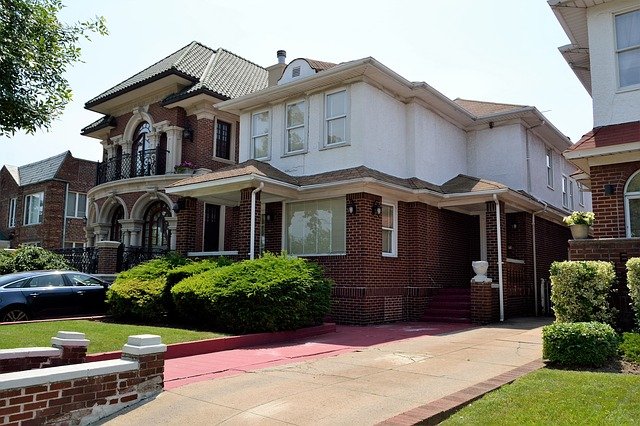
The competition for home owners’ business means that you have dozens of choices available from multiple insurers. They won’t come to you, though, so you must take the initiative to do further research. You have to protect your house, but any old policy won’t do. Read the information here before you buy home insurance.
Many renters do not realize that they need renter’s insurance. While the building your apartment is located in is covered by the policy your landlord holds, your personal belongings are not. Renters insurance is the type of policy you need to purchase to replace your belongings if a natural disaster, fire or burglary should occur.
Know your homeowner’s insurance policies about additional off-site living expenses. Many times, your policy will cover your costs for other living arrangements. The thing you must remember to do, however, is to keep receipts of whatever you have to pay for.
Keeping premiums low is important for most home owners. Select one with higher deductibles if you want to maximize your policy. Premiums will be smaller when the deductible is bigger. Make sure there are enough funds in your savings to pay for any smaller repairs that do not exceed your deductible.
Install extra smoke alarms in your home. The safer your home is, the less premium your insurance company will charge. When you install more detectors for carbon monoxide and smoke, you can easily convince your insurer that you have lowered the risk in your home.
If you have a room mate you want to look to see if their things are covered in a catastrophe. Sometimes the policy may cover all things on the property and sometimes only your things. This will let you know whether you will need to pay for any damages you cause to your roommate’s items or whether your insurance company will cover them.
Remembering safety first can help save more than lives when it comes to keeping renters insurance costs to a minimum. Smoke detectors, fire extinguishers and security alarm systems can often net you a good discount on your insurance premiums. It might save your life too, so make certain to buy these things, learn to use them properly and keep them current.
When remodeling, make sure that you think about the insurance that you will need to cover the changes. Adding on to your home will raise your rates, and the type of things you use to make the addition will affect your policy, too. It costs more to insure a wood structure than one made of metal or cement because wood is more easily destroyed or damaged by bad weather, fire and the passage of time.
If you have a home that’s located somewhere that frequently floods or has mud slides, you may want to get insurance that covers you for that. Since the majority of homeowner’s insurance policies do not cover floods, you will have to get this type of coverage from the federal government.
Smoke alarms are a must. Many newer homes have smoke detectors already installed. If your home does not have them, be sure to install one in every room. Your homeowners insurance will go down, and you’ll be safer in case you do have a fire.
There should always be a bare-minimum coverage limit that will allow you enough funding to rebuild your home. Home contraction costs generally increase. Keep in mind that if something happens, you won’t run out of cash to rebuild it. You want to take care of all this before something happens.
If you are worried about damage from floods or earthquakes, read your policy closely because most companies do not provide this compensation in the standard packages. You must evaluate the likelihood of an earthquake or a flood in your area and determine if you will need to add special coverage provisions to your policy.
If you want to save money on your insurance, consider a higher deductible. Though, if you suffer small amounts of damage, you will need to pay those expenses out of pocket. However, if you don’t mind forking out several hundred dollars more on occasion, this may be an excellent idea.
Consider increasing your deductible. As with many other types of insurance, a higher deductible means lower annual premiums. Unfortunately, one of the downsides of higher deductibles is when minor problems, such as a broken window, occur because you will have to pay for this cost out of pocket.
Make sure there is an accurate documentation of your home’s contents in case of a loss. Take some pictures or get professional appraisals so that you have complete documentation if you need to file a claim. That will make the process easier for both you and your insurance provider.
You must learn about endorsements concerning your insurance on your home. These are things that are added to the basic home insurance policy. They essentially ensure that all of your expensive items are covered in times of disaster. For instance, you could use a receipt or an appraisal to prove the value of a certain item. An endorsement is the best way to cover your valuables.
A basic homeowner’s insurance policy is probably not appropriate if your home’s location is in an earthquake zone. Basic home insurance policies cover interior or exterior damage to your home as a result of fire, hurricane, lightening, or vandalism. It will also cover your personal property in the case of theft. You will likely need a separate rider or policy to keep your home protected from earthquakes.
You may be tempted to choose an insurer who offers the lowest premiums, but this is not necessarily the best choice. Put these tips to work toward finding the most appropriate policy for your family’s needs. Do not just choose the basic coverage at the expensive of properly covering your home.