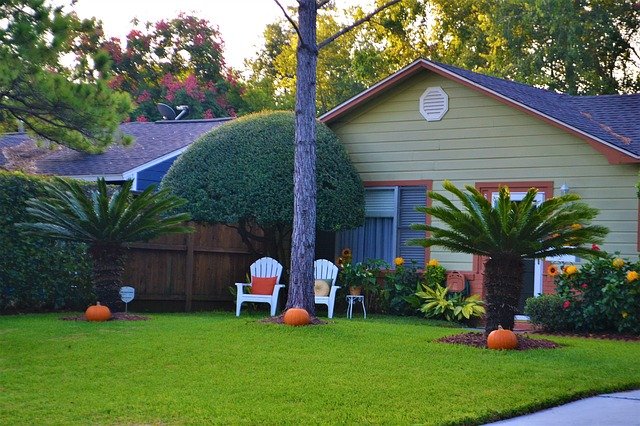
No matter if you are looking to simply update your homeowner’s insurance policy or are buying a new home, it is crucial to have the right policy for your needs. Homeowner’s coverage keeps you protected from natural disasters, accidents and theft. If you are a homeowner, you will find great use in the helpful tips compiled in the article below.
Homeowner’s insurance shouldn’t be up for consideration, you should go out and buy it. If you lack a homeowner’s policy, you will have no options if a natural disaster, theft or fire occurs. You might not have a choice at all about buying insurance if you are carrying a mortgage; it is likely required by your loan terms.
Paying off that mortgage once and for all will allow you to pay less for homeowner’s insurance. Your rates will go down significantly if insurance companies see you have more stake in your home. They expect that you’ll be more motivated to take good care of your house if it’s all yours.
Many homeowners want to decrease their annual premiums. One thing you can do is raise your deductible. A high deductible usually corresponds to a lower premium. All it takes is the initial cash for covering any small claims occurring after the transition. The overall savings are positive and recommended.
As your family changes in size and the number of material possessions alters, make sure you re-evaluate your homeowner’s insurance needs as well. You should just look at the policy to determine whether you have coverage limits on high-value things like jewelry. If there are certain individual items that should be covered, you can have individual riders requested to be sure these items are protected.
Never forget the importance of flood insurance when purchasing a home. Standard homeowner’s policies do not necessarily cover flooding; floods can occur even where they are not the norm. You don’t want to find out that you are uninsured if a flood ever wipes out your home completely, so make sure you do your homework on this subject.
Quality alarm systems will lower your yearly premiums. The more protected and secure your property is, the less likely your insurer will have to pay out as much money. Inform your company when these safety features are installed since they can lower your premiums right away.
To reduce renter’s insurance, safety should be your priority. Common add-ons that can earn discounts on premiums include smoke and carbon monoxide detectors, security systems and fire extinguishers. Not only that, it can save your life.
You can save an annual ten percent on your home owner’s insurance by installing fire alarms throughout your home. The reduction is due to the added security against fire. Contact your insurance provider to find out how many alarms they recommend and schedule an inspection of your home to make sure it is protected against fires.
Earthquake insurance is a must in areas prone to earthquakes. This is important in case of an earthquake, and unless you have the funds to fix your home, the insurance policy will help cover the costs of the damage.
Homeowner’s insurance is a necessary, but expensive investment. But, you can find ways to lessen the expense. If you raise the policy deductible, your premiums will decrease. Also, a security system or new roof can decrease premiums. Talk to your insurer about what you can do to reduce your rates.
Insurance Costs
Remember your insurance costs if you plan on remodeling. The materials you choose to use will affect how much your insurance premiums go up. You will pay more in insurance costs if you build with wood rather than steel or cement, because wood is more likely to be damaged due to harsh weather or fires.
In the event that your personal belongings are damaged or destroyed, you should always document them through pictures, video, etc. so that claims are easier. By keeping your records in a safe place and anticipating that you’ll have to provide such records to your insurance carrier in the event of loss, you’ll greatly expedite your insurance claim process. Maintaining the proper documentation increases the speed of this process, making it easier for all involved parties. Keep your inventory and policies in a fireproof location, such as a safe or your freezer.
It is crucial to have smoke detectors in your home. Many newer homes have smoke detectors already installed. If your home doesn’t come with them install one in each room. Besides the fact they can save your life in case of a fire, you will pay hundreds of dollars less each year on your home owner’s insurance premium.
Get a policy with a deductible that is higher to save money on the premiums. That is smart if you already have an emergency fund and are able to pay for small repairs instead of waiting for insurance to pick up the slack after $500, which is the usual.
When buying a home, especially to start with, set mortgage payments up so that 1/12 of your annual premium is part of each month’s price, along with escrow. This will help you avoid the hassle of paying the premium every month on your own.
Be certain you have bought enough coverage for your home policy in case you need to replace your home. A disaster could happen at any time and replacing your home immediately will be critical. Remember that the costs of construction and the supplies it requires change over time; you might want to reexamine your coverage regularly.
Insurance is vital for anyone who plans to own a home. You now have helpful tips and can use them in your search for the proper homeowner’s insurance policy. Don’t feel like you are wasting money with your homeowner’s policy. Consider it a method of protecting your most important asset.