
Imagine a world where energy efficiency and aesthetics seamlessly coexist. In the realm of solar design, this vision becomes a reality. The Art of Solar Design: Integrating Aesthetics and Efficiency delves into the innovative ways that architects and designers are finding ways to integrate solar panels into the beauty of our surroundings. Featuring stunning examples from around the world, this article explores how solar design can transform our perception of renewable energy while also maximizing its efficiency. Get ready to be inspired by the harmonious marriage of artistry and sustainability that is shaping the future of our energy landscape.
Design Considerations
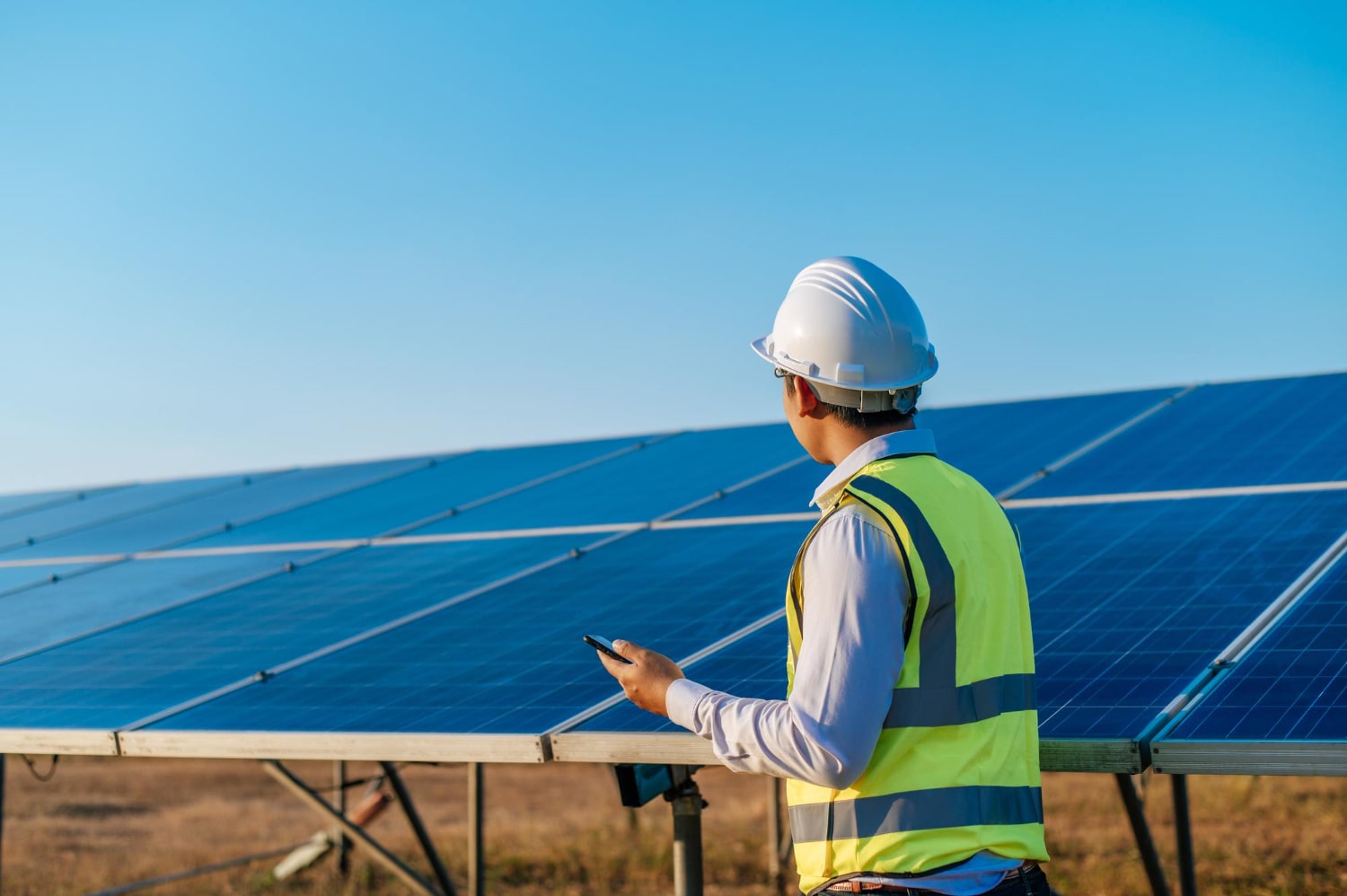
When it comes to solar design, there are several important considerations to keep in mind. Balancing aesthetics and efficiency is crucial, as you want your solar system to not only perform well but also add to the overall appearance of your building. Understanding the impact of solar design on the overall appearance is essential to ensure a harmonious integration. Lastly, choosing the right solar technologies is key to maximize the efficiency and effectiveness of your solar system.
Integrating Solar into Architectural Design
One way to seamlessly integrate solar design into your building is through building integrated photovoltaics (BIPV). BIPV allows solar panels to be incorporated into the architectural elements of the building, such as windows, roofs, or facades. This integration not only creates a visually stunning design but also maximizes the available surface area for solar energy generation.
Exploring solar panel placement options is another crucial step in integrating solar design into architectural plans. Carefully considering the orientation and angle of the panels can significantly impact their efficiency. Incorporating solar elements during the initial design phase ensures that the necessary infrastructure and supports are properly integrated, saving you time and effort later on.
Harmonizing Solar Design with Surroundings
To ensure that your solar design seamlessly blends with the surrounding environment, it’s important to assess the site’s characteristics and visual context. By understanding the natural features and architectural styles of the area, you can select solar design elements that complement the surroundings. Additionally, matching the solar design to the existing building style and materials helps maintain the overall aesthetic coherence of the site.
Solar design can also be used to enhance the surrounding landscape. By blending solar elements with the natural environment, such as incorporating solar panels into walkways or creating solar-integrated shelters, you can create a visually appealing and functional space.
Aesthetic Solar Panel Options
When it comes to solar panel options, there are several choices to consider. Monocrystalline and polycrystalline panels, known for their high efficiency, are popular options. These panels have a uniform appearance and offer a sleek and modern aesthetic. Thin-film solar panels, on the other hand, are flexible and can be integrated into various surfaces, allowing for more design flexibility. Building-integrated solar panels take solar design to the next level by seamlessly blending into the architecture, offering a clean and unobtrusive look.
Color and Finish Considerations
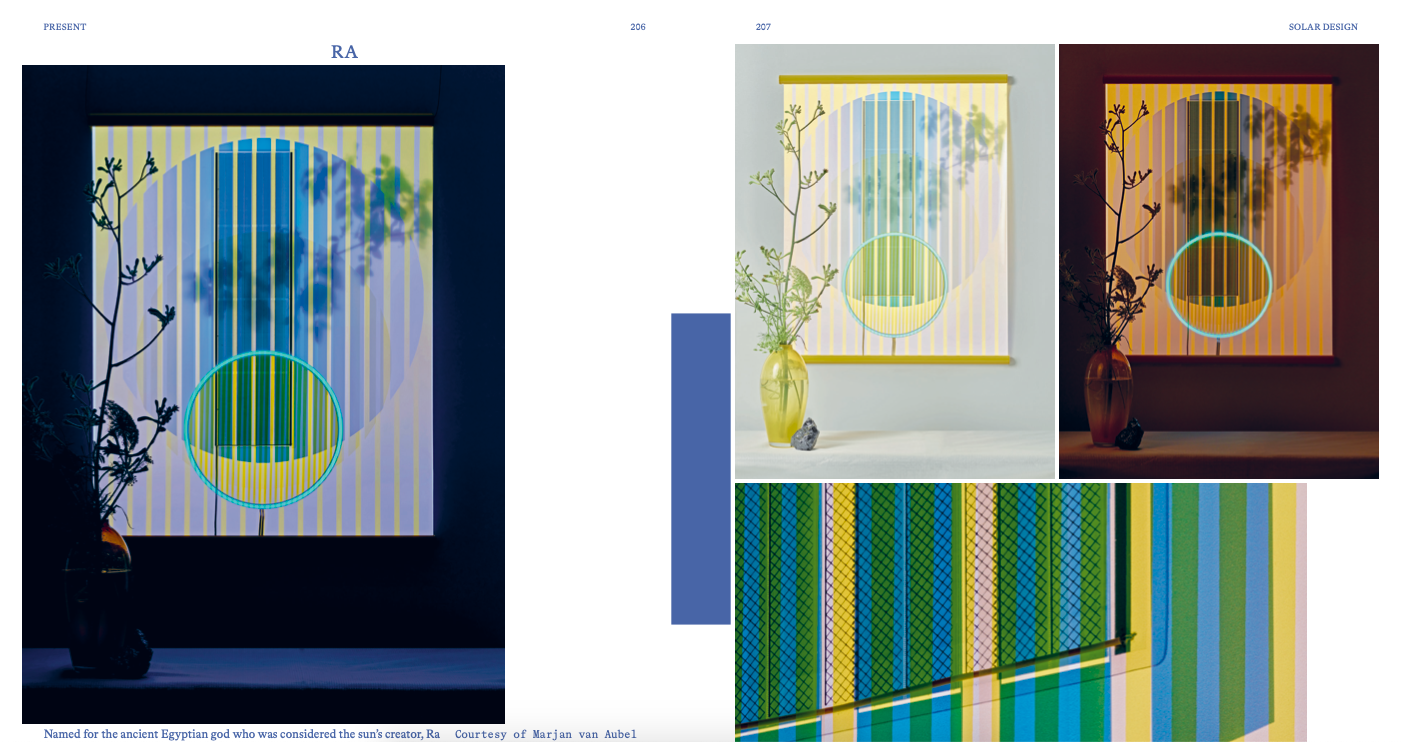
Choosing the right colors and textures for your solar panels can greatly impact the overall appearance of your building. Opting for colors that complement the existing design and surroundings can help the panels blend in more seamlessly. Textured finishes can add visual interest to the panels, making them look more like architectural elements rather than mere solar panels. By utilizing solar design to enhance the building’s appearance, you can create a design that is both functional and visually appealing.
Shading and Sun Control Solutions
Incorporating shading devices into your solar design can serve multiple purposes. Not only do they provide shade and protection from the sun’s rays, but they can also enhance the aesthetic appeal of your building. Solar shading devices, such as louvers or awnings, can be designed to complement the architectural style and materials of your building, creating a cohesive look.
Smart glazing techniques can also be utilized to control the amount of sunlight entering the building. By using glazing that automatically adjusts its transparency based on the sun’s intensity, you can optimize energy efficiency while maintaining a comfortable interior environment.
Additionally, optimizing the solar design for passive cooling can help reduce the need for artificial cooling systems. By carefully considering the position and orientation of windows or incorporating natural ventilation strategies, you can harness the power of solar design to create a comfortable and energy-efficient space.
Roof Integration
The roof is often one of the most suitable areas for solar panel installation. When considering solar design for your roof, it’s important to select appropriate roof materials that can support the weight of the panels and withstand the elements. Certain roofing materials, such as metal or tile, are better suited for solar panel installation due to their durability and ease of integration.
There are various techniques for roof-mounted solar panel installation, such as ballasted, penetrating, or adhesive methods. Each method has its advantages and considerations. Consulting with a solar design professional can help you determine the best installation technique for your specific roof type and design.
Integrating solar elements into the roof design from the beginning ensures a seamless and aesthetically pleasing outcome. By incorporating solar panels into the roof’s structure, either by framing them with matching materials or designing them to be flush with the surface, you can create a unified and visually appealing solar design.
Landscaping with Solar Design
Solar design doesn’t have to be limited to the building itself. By incorporating solar-integrated structures into your landscape design, you can create shaded areas that also generate clean energy. These structures can include pergolas with integrated solar panels or solar-powered outdoor seating areas. Not only do these additions enhance the aesthetics of the space, but they also provide functional benefits.
Designing solar-powered water features is another creative way to incorporate solar design into your landscaping. Solar panels can power water pumps or provide energy for decorative lighting, adding an enchanting element to your outdoor space. By utilizing solar lighting in your landscape design, you can create ambiance and highlight features while minimizing energy consumption.
Maintenance and Upkeep
Ensuring easy accessibility for cleaning and maintenance is an important aspect of solar design. Regular cleaning of the solar panels helps maintain their efficiency and performance. Integrating walkways or platforms allows for safe and convenient access to the panels, making maintenance tasks easier and reducing the risk of accidents.
Monitoring system performance and efficiency is crucial to ensure that your solar design is functioning optimally. By utilizing monitoring systems, you can easily track the energy production of your solar panels and detect any issues that may arise. Regular inspections and maintenance checks will help prolong the lifespan of your solar system and ensure its continued performance.
Mitigating any visual impact caused by dirt or debris is also a consideration in solar design. Taking measures to minimize the accumulation of dirt or debris on your solar panels, such as utilizing self-cleaning coatings or installing protective covers, can help maintain their aesthetic appeal and efficiency.
Evaluating the Return on Investment
When considering solar design, it’s important to evaluate the return on investment (ROI). Calculating the financial benefits of solar design involves considering the cost of installation, maintenance, and potential energy savings over time. While the upfront cost of solar systems may be significant, the long-term savings through reduced energy bills and potential energy generation can make it a worthwhile investment.
Exploring available incentives and tax credits is also an important step in evaluating the ROI of solar design. Many governments and organizations offer incentives or tax credits to encourage the adoption of renewable energy. By taking advantage of these incentives, you can significantly reduce the overall cost of your solar design, making it an even more attractive investment.
In conclusion, integrating solar design into architectural plans requires careful consideration of aesthetics, efficiency, and the surrounding environment. By balancing these factors and selecting the right solar technologies, you can create a visually appealing and sustainable building. From BIPV integration to thoughtful panel placement, the art of solar design offers endless possibilities to seamlessly incorporate clean energy generation into our built environment.