
In the realm of sustainable energy and environmental conservation, a crucial question arises: how does the concept of energy justice intertwine with the equitable distribution of green energy benefits? The pursuit of a greener future is not solely about generating clean power. It is imperative to ensure that the advantages and opportunities provided by renewable energy sources are accessible to all, promoting fairness and inclusivity. This article aims to explore the intersection between energy justice and the distribution of green energy benefits, shedding light on the importance of addressing disparities and promoting a more equitable and sustainable energy landscape.
Defining Energy Justice
What is energy justice?
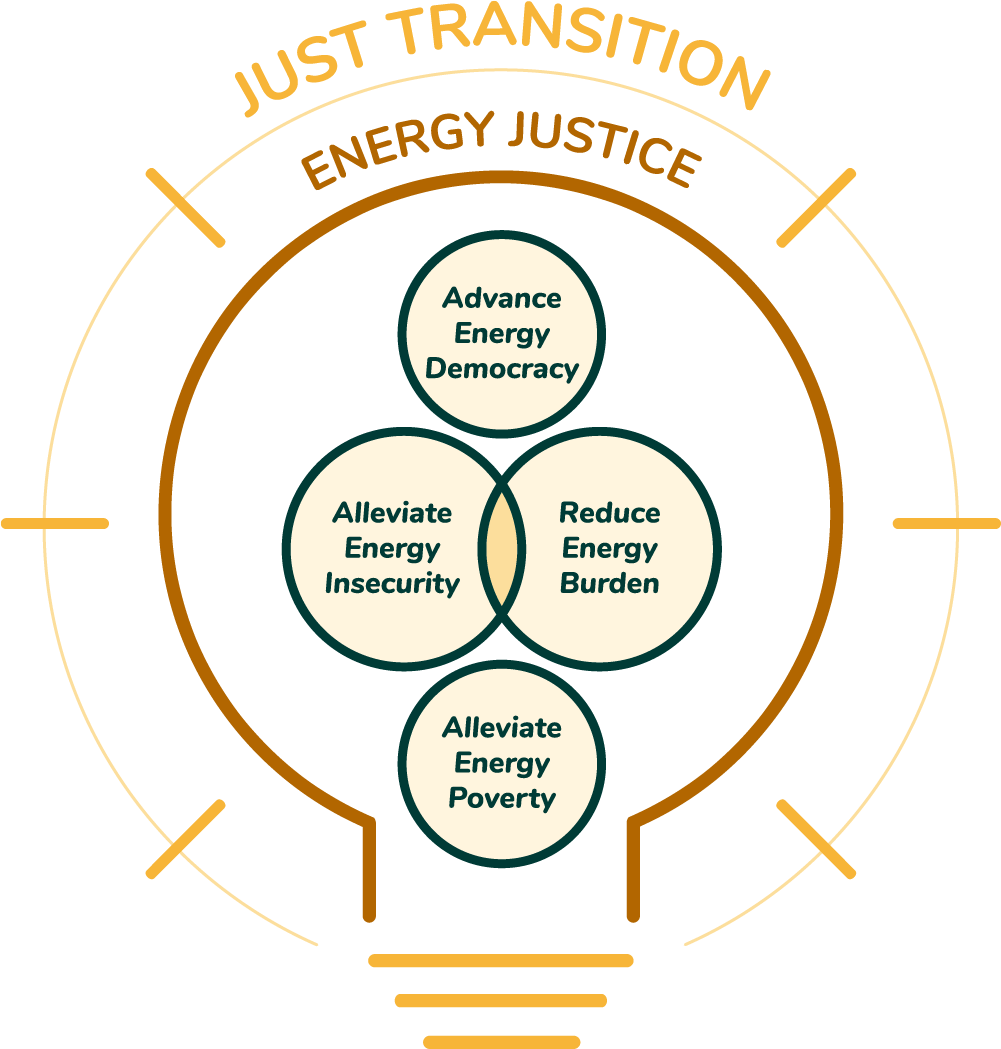
Energy justice refers to the fair and equitable distribution of energy resources, benefits, and burdens. It recognizes that access to reliable and affordable energy is essential for individuals and communities to meet their basic needs, improve their quality of life, and achieve social and economic development. Energy justice also encompasses considerations of environmental sustainability and the right to a clean and healthy environment.
Key principles of energy justice
There are several key principles that underpin the concept of energy justice. These include:
- Equity: Ensuring that all individuals and communities have equal opportunities to access and benefit from energy resources.
- Participation: Enabling all stakeholders, including marginalized and vulnerable groups, to participate in decision-making processes and have a say in energy-related policies and projects.
- Sustainability: Promoting renewable and clean energy sources that minimize environmental impacts and contribute to a sustainable future.
- Rights-based approach: Recognizing energy as a fundamental human right and ensuring that energy policies and practices uphold and protect human rights.
- Responsiveness to local needs: Tailoring energy solutions to the specific needs and preferences of communities, taking into account their cultural, social, and economic contexts.
Link between energy justice and equitable distribution of green energy benefits
The concept of energy justice directly intersects with the equitable distribution of green energy benefits. Green energy, which includes renewable sources like solar, wind, hydropower, and geothermal, offers numerous environmental advantages, such as reducing greenhouse gas emissions and mitigating climate change. However, if the benefits of green energy are not distributed equitably, certain communities may be left behind, exacerbating energy poverty and social inequalities.
By prioritizing energy justice, policymakers and stakeholders can ensure that the benefits of green energy are shared equitably among all communities. This means addressing energy poverty, reducing energy disparities, and ensuring access to clean and affordable energy for marginalized communities. Achieving this equitable distribution requires a comprehensive policy framework, inclusive decision-making processes, and the active involvement of regulatory bodies.
Understanding Green Energy
What is green energy?
Green energy, also known as renewable energy or clean energy, refers to sources of energy that are naturally replenished and have minimal environmental impact. Unlike fossil fuels, which are finite and contribute to air pollution and greenhouse gas emissions, green energy sources derive power from natural processes that can be continuously replenished, such as sunlight, wind, water, and heat from the earth’s core. The use of green energy helps reduce carbon emissions, dependence on non-renewable resources, and overall environmental degradation.
Different forms of green energy
There are various forms of green energy, each harnessing different natural processes to generate power sustainably. Some common types of green energy include:
- Solar energy: Solar panels convert sunlight into electricity, making it a widely accessible and versatile source of green energy.
- Wind energy: Wind turbines capture the power of wind to generate electricity, with offshore wind farms increasingly becoming a major source of green energy.
- Hydropower: This renewable energy source harnesses the kinetic energy of moving water to generate electricity through dams, waterfalls, or flowing rivers.
- Geothermal energy: Geothermal power plants tap into the heat generated by the Earth’s core to produce electricity and heat homes and buildings.
- Biomass energy: Biomass, such as agricultural waste, wood pellets, or dedicated energy crops, is converted into heat or electricity through combustion or biochemical processes.
Importance of green energy in addressing environmental concerns
Green energy plays a crucial role in addressing environmental concerns, particularly climate change and the depletion of finite resources. By replacing fossil fuels, which release large amounts of carbon dioxide when burned, with renewable energy sources, we can significantly reduce greenhouse gas emissions, mitigate climate change, and improve air quality. Green energy also helps decrease our reliance on non-renewable resources, thus preserving them for future generations. Additionally, the generation of green energy often has minimal impact on ecosystems compared to the extraction and burning of fossil fuels, leading to less environmental degradation.

The Need for Equitable Distribution
Why is equitable distribution important?
Equitable distribution of green energy benefits is important for several reasons. First and foremost, it addresses energy poverty, which refers to the lack of access to affordable and reliable energy services. When certain communities are excluded from the benefits of green energy, they may have to rely on polluting and expensive energy sources, perpetuating a cycle of poverty and environmental degradation. Equitable distribution ensures that everyone, regardless of their socioeconomic status or geographic location, can access clean and affordable energy.
Furthermore, equitable distribution promotes social equity by reducing disparities in access to resources and opportunities. It helps bridge the gap between privileged communities that can afford and adopt renewable technologies and marginalized communities that face financial barriers. By providing equal access to green energy benefits, we create a more just and inclusive society.
Challenges in the distribution of green energy benefits
While green energy has the potential to transform our energy system, there are challenges in ensuring its equitable distribution. One of the main challenges is the upfront cost of transitioning to green energy technologies. Solar panels, wind turbines, and other renewable energy systems often require significant investments, making it difficult for low-income communities to access them. Additionally, some marginalized communities may lack the necessary infrastructure and technical knowledge to adopt and benefit from green energy solutions.
Another challenge relates to the geographical distribution of renewable resources. For example, areas with high wind speeds or ample sunlight may be better suited for wind or solar energy generation, respectively. This can lead to unequal opportunities for communities in regions with less favorable renewable resource potentials.
Promoting social equity through equitable distribution
Promoting social equity through equitable distribution of green energy benefits requires a multi-pronged approach. Firstly, financial mechanisms need to be put in place to provide subsidies, incentives, or low-interest loans to support the adoption of green energy technologies by low-income households and communities. This can help overcome the financial barriers that prevent equitable access to green energy benefits.
Additionally, education and awareness programs should be implemented to enhance technical knowledge and skills in marginalized communities, empowering them to adopt and maintain green energy systems. Training programs can help create local jobs and economic opportunities, further promoting social equity.
Moreover, policymakers and stakeholders should prioritize infrastructure development in underserved areas, providing the necessary grid connections and installing community-based renewable energy systems. This ensures that no community is left behind in the transition to green energy and promotes the equitable distribution of its benefits.
Intersections of Energy Justice and Equitable Distribution
Addressing energy poverty
Energy poverty, the lack of access to affordable and reliable energy services, disproportionately affects marginalized communities. By incorporating energy justice principles into energy policies and practices, we can address energy poverty and ensure that all individuals and communities have access to clean and affordable energy. This can be achieved through initiatives such as expanding access to renewable energy in underserved areas, implementing energy efficiency programs to reduce energy costs, and introducing targeted financial assistance programs for low-income households.
Reducing energy disparities
Energy disparities occur when certain groups or communities have limited access to energy resources or face higher energy costs compared to others. Energy justice calls for the reduction of these disparities and the promotion of equal opportunities for all to access and benefit from energy resources. By focusing on renewable and decentralized energy solutions, policymakers can help bridge the energy divide, particularly in rural and remote areas where traditional energy infrastructure may be lacking.
Ensuring access to green energy for marginalized communities
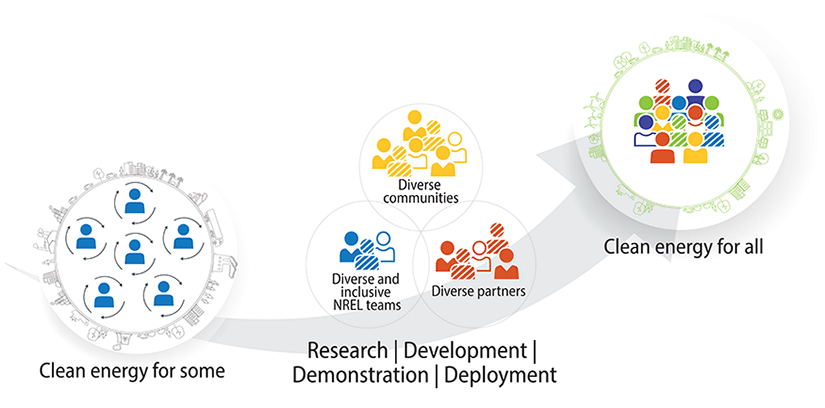
Marginalized communities, including low-income households, indigenous peoples, and minority groups, often face barriers to accessing green energy benefits. Energy justice emphasizes the importance of ensuring that these communities have equal opportunities and resources to adopt and benefit from renewable energy technologies. This can be achieved through targeted policies, financial support, community engagement, and capacity-building initiatives that address the specific needs and challenges faced by marginalized communities.
Policy Framework for Energy Justice
Government policies supporting energy justice
Government policies play a crucial role in advancing energy justice and promoting the equitable distribution of green energy benefits. Policy frameworks should strive for inclusivity, transparency, and accountability, recognizing the diverse needs and voices of all stakeholders. Governments can develop incentives and financial mechanisms to support the adoption of renewable energy technologies, encourage energy efficiency measures, and promote sustainable energy practices.
Furthermore, policies should prioritize the electrification of underserved areas, particularly those populated by marginalized communities. This can involve investing in renewable energy infrastructure, developing microgrids, and providing affordable and reliable energy services to remote communities.
Inclusion of marginalized communities in decision-making processes
An essential aspect of energy justice is the inclusion of marginalized communities in decision-making processes. Policymakers and stakeholders should ensure that the voices and perspectives of these communities are heard and reflected in energy policies and projects. This can be achieved through participatory processes, community engagement, and empowering marginalized communities to have a say in energy-related decisions that directly impact them. By including diverse perspectives, the resulting policies and projects are more likely to be equitable and address the specific needs and concerns of marginalized communities.
Role of regulatory bodies in promoting equitable distribution of green energy benefits
Regulatory bodies have a critical role in promoting the equitable distribution of green energy benefits. They are responsible for setting standards, ensuring compliance, and regulating the energy sector. To advance energy justice, regulatory bodies should prioritize environmental sustainability, equity, and social considerations in their decision-making processes. This can involve enforcing policies that promote the adoption of renewable energy, monitoring energy providers’ performance in delivering equitable energy services, and addressing any disparities or injustices that may arise.
Regulatory bodies can also play a role in ensuring that energy providers and utilities prioritize the interests and needs of marginalized communities. By requiring reporting and monitoring of data related to energy access and affordability, regulators can ensure that energy providers are proactively addressing energy justice and equitable distribution of green energy benefits.
Environmental and Social Impacts of Energy Justice
Environmental benefits of energy justice
Energy justice has various environmental benefits that contribute to a more sustainable future. By promoting the equitable distribution of green energy benefits, we can reduce reliance on fossil fuels, decrease greenhouse gas emissions, and mitigate climate change. The widespread adoption of renewable energy sources power our homes, industries, and transportation systems without emitting harmful pollutants, improving air quality and public health.
Additionally, the transition to green energy can help preserve ecosystems and biodiversity. Renewable energy technologies often have lower environmental impacts compared to conventional energy sources, such as coal or oil. For example, hydropower plants can generate electricity without emitting greenhouse gases and provide additional benefits like flood control and water supply.
Mitigating climate change through equitable distribution of green energy benefits
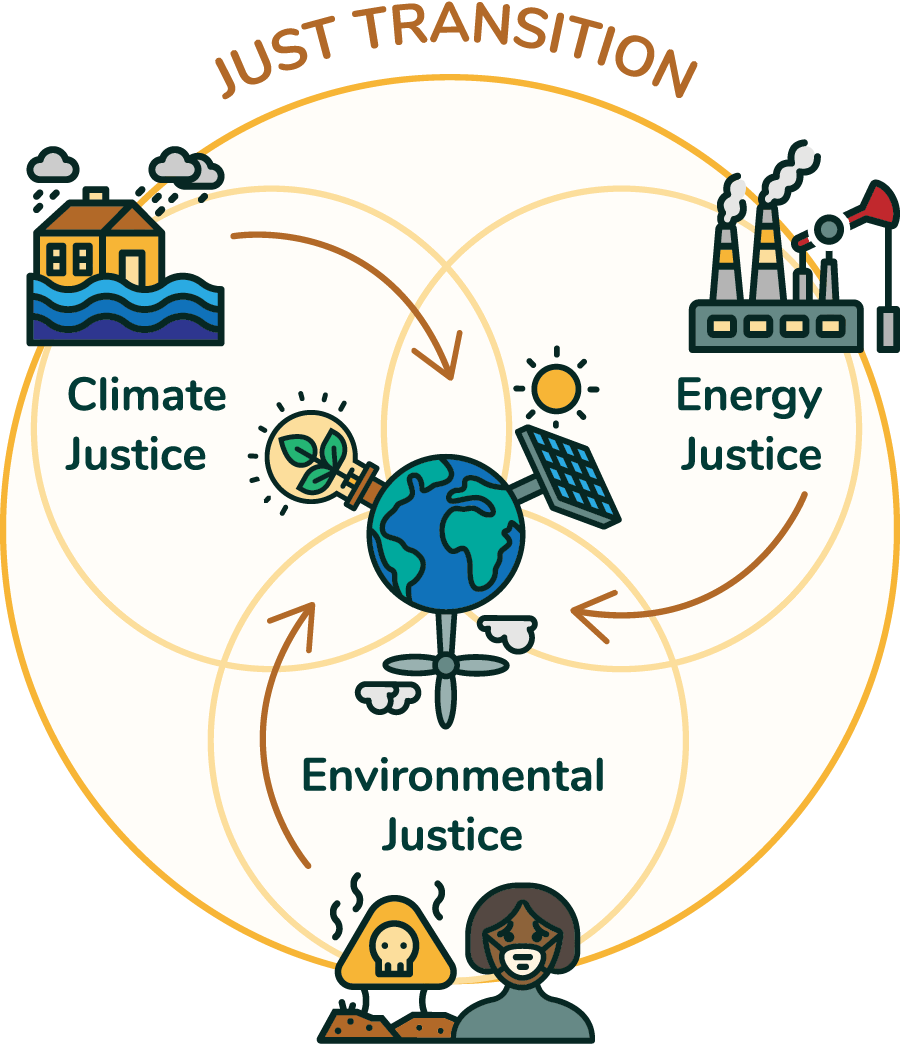
Climate change is one of the most pressing challenges facing humanity. The equitable distribution of green energy benefits plays a crucial role in mitigating climate change by reducing greenhouse gas emissions. When renewable energy sources replace fossil fuels, the carbon footprint is significantly reduced, helping to limit global warming and its associated impacts, such as extreme weather events, rising sea levels, and disruptions to ecosystems and agriculture.
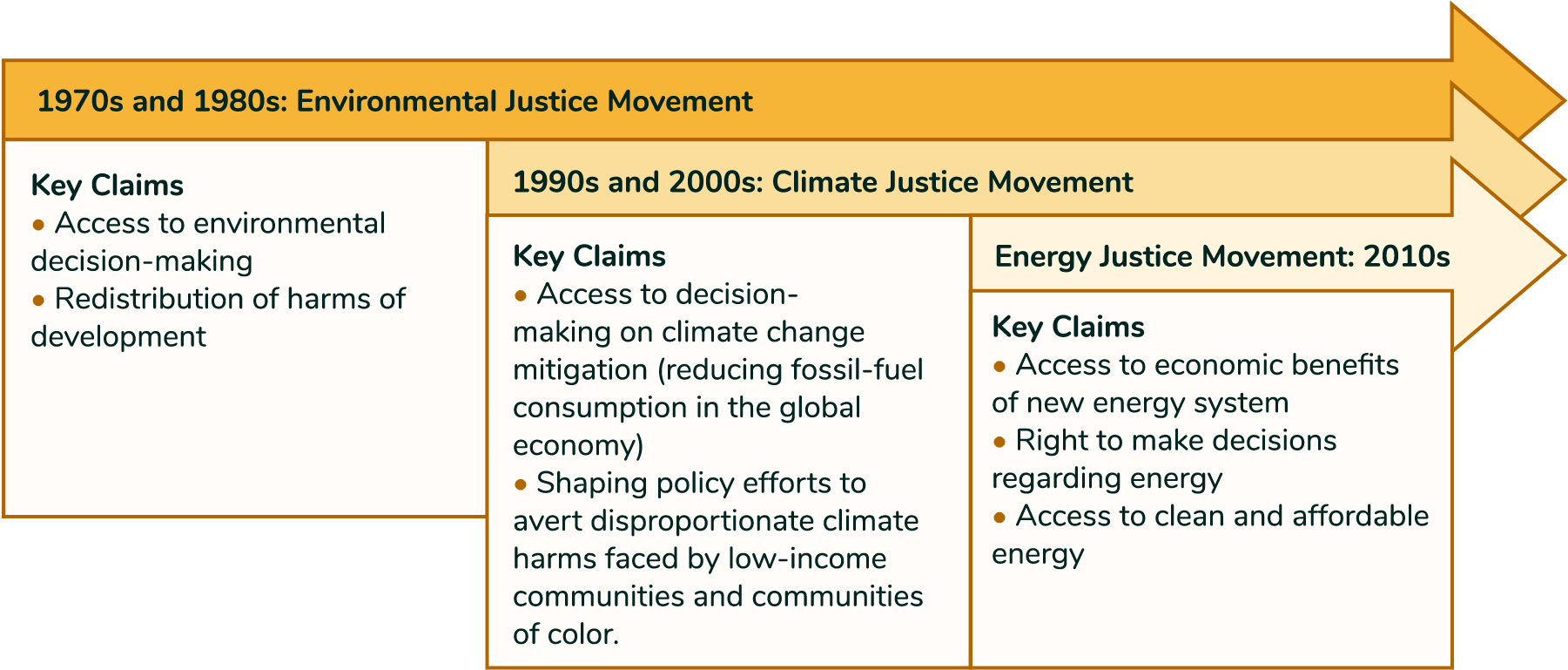
Equitable distribution of green energy benefits also contributes to climate justice, ensuring that the communities most affected by climate change, often the most vulnerable and marginalized, have access to clean and reliable energy solutions that enable them to adapt and build resilience.
Social and economic advantages of energy justice
Energy justice brings numerous social and economic advantages. Access to green energy can improve the quality of life for individuals and communities by providing reliable electricity for heating, cooling, lighting, and cooking. This enables opportunities for education, healthcare, income generation, and overall socioeconomic development.
Furthermore, the transition to green energy creates new employment opportunities, stimulates local economies, and promotes social equity. Renewable energy industries, like solar panel manufacturing or wind farm construction, generate jobs that cannot be outsourced and often require diverse skill sets. This ensures that the benefits of the green energy sector are distributed more equitably across different communities and demographic groups.
Barriers to Achieving Energy Justice
Financial constraints
Financial constraints pose a significant barrier to achieving energy justice. The upfront costs associated with transitioning to green energy technologies, such as solar panels or wind turbines, can be prohibitive for low-income households and marginalized communities. Access to affordable financing options, such as low-interest loans, grants, or subsidies, becomes crucial to overcoming these financial barriers and promoting equal access to green energy benefits.
Additionally, the cost of energy services, particularly in areas without competition or regulation, may place an undue burden on low-income households. Ensuring that energy services are affordable and responsive to income levels is essential in achieving energy justice.
Technological limitations
Technological limitations can hinder the equitable distribution of green energy benefits. Not all regions may have access to the necessary infrastructure to support the integration of renewable energy sources into the existing grid. Remote or disadvantaged communities may lack the necessary transmission lines or grid connections to benefit from renewable energy projects, limiting their access to reliable and affordable electricity.
Ensuring that the necessary infrastructure is in place, exploring innovative decentralized energy solutions, and investing in research and development can help overcome these technological limitations and promote energy justice.
Political and systemic challenges
Political and systemic challenges can impede the achievement of energy justice. The interests of powerful stakeholders, such as fossil fuel industries or energy monopolies, may clash with the goals of equitable distribution of green energy benefits. Political will is necessary to overcome these challenges and enact policies that prioritize energy justice.
Systemic inequalities and discrimination can also prevent marginalized communities from accessing green energy benefits. Inclusive decision-making processes, community engagement, and policy initiatives that address the specific needs and concerns of marginalized groups are crucial in dismantling these barriers.
Case Studies on Energy Justice
Examining successful energy justice projects
Examining successful energy justice projects can provide valuable insights into best practices and effective strategies. One notable example is the Navajo Green Jobs Act, an initiative of the Navajo Nation in the United States. This act aims to train Navajo community members in renewable energy fields and create job opportunities in the green energy sector. By focusing on green energy and job creation, the Navajo Nation addresses both economic and energy justice.
Another successful case study is Denmark’s wind energy sector. Through strong government support, community engagement, and inclusive decision-making processes, Denmark has transitioned to become a global leader in wind energy. The success of their wind energy projects is attributed to the equitable distribution of green energy benefits, job creation, and local involvement, leading to increased social equity and sustainability.
Lessons learned from failed initiatives
Failure of energy justice initiatives can also provide valuable lessons. For instance, the implementation of large-scale hydropower projects in certain regions has led to the displacement of indigenous communities, loss of livelihoods, and the destruction of ecosystems. The lack of consultation and engagement with affected communities highlights the importance of inclusive decision-making processes and the need to prioritize social and environmental considerations.
Additionally, some countries have experienced challenges in achieving equitable distribution of green energy benefits due to limited government support, inadequate policies, or socioeconomic barriers. These failures emphasize the need for strong political will, targeted support mechanisms, and the importance of addressing systemic inequalities to ensure the successful implementation of energy justice initiatives.
International examples of energy justice in action
Energy justice initiatives are being implemented worldwide, aiming to promote equitable distribution of green energy benefits. One international example is Germany’s Energiewende, or Energy Transition, which focuses on a decentralized energy system, citizen participation, and community-owned renewable energy installations. This approach has empowered local communities and has led to a significant increase in renewable energy generation while promoting social equity.
Another example is India’s National Rural Renewable Energy Program, which aims to provide access to clean and affordable energy for remote and off-grid areas through decentralized renewable energy solutions. This program has successfully improved energy access, reduced household air pollution, and empowered rural communities through the use of solar and biomass energy technologies.
Role of Technology in Advancing Energy Justice
Innovations in renewable energy technology
Technological advancements play a crucial role in advancing energy justice. Innovative renewable energy technologies, such as improved solar panels, more efficient wind turbines, and energy storage solutions, contribute to the affordability, reliability, and accessibility of green energy. These technological improvements can drive down costs, increase energy production, and expand the range of options available for communities, particularly marginalized ones, to adopt and benefit from renewable energy.
Expanding access to green energy through technological advancements
Technology can help expand access to green energy for remote and underserved communities. Off-grid renewable energy systems, such as standalone solar home systems or mini-grids, can provide electricity to communities that are not connected to the centralized grid. These technologies can improve energy access, enhance productivity, enable educational opportunities, and improve overall quality of life.
Advancements in smart grid technologies and energy management systems can also facilitate the integration of renewable energy into the existing grid infrastructure. This enables more efficient and reliable distribution of green energy benefits, while also allowing for decentralized energy production and consumption.
Digital solutions for equitable distribution of benefits
Digital solutions, such as mobile payment systems or energy management apps, can also contribute to the equitable distribution of green energy benefits. These technologies enable households and communities to monitor their energy usage, make payments electronically, and access energy services more conveniently. For marginalized communities that may have limited access to traditional financial services, digital solutions can remove barriers and promote inclusive access to green energy.
Furthermore, digital tools can assist policymakers and stakeholders in identifying energy poverty hotspots, tracking the effectiveness of renewable energy programs, and evaluating the impact of energy justice initiatives. This data-driven approach helps ensure that resources and efforts are directed where they are most needed, maximizing the benefits of green energy for marginalized communities.
Conclusion
Summary of key findings
Energy justice is all about ensuring the fair and equitable distribution of energy resources, benefits, and burdens. It encompasses principles of equity, participation, sustainability, and responsiveness to local needs. The intersection of energy justice and the equitable distribution of green energy benefits is crucial in addressing energy poverty, reducing energy disparities, and ensuring access to clean and affordable energy for marginalized communities.
Understanding green energy and its different forms highlights the importance of transitioning from fossil fuel-based energy sources to renewable energy sources. Green energy mitigates climate change, preserves finite resources, and minimizes environmental degradation. However, without equitable distribution, certain communities may be left behind, perpetuating social and economic inequalities.
Equitable distribution of green energy benefits promotes social equity by reducing disparities in access to resources and opportunities. It addresses energy poverty, challenges in the distribution of green energy benefits, and ensures access for marginalized communities. It requires a comprehensive policy framework, inclusive decision-making processes, and the active involvement of regulatory bodies.
Energy justice also has significant environmental and social impacts. It contributes to addressing climate change, preserving ecosystems, and improving public health. Socially and economically, energy justice improves the quality of life, creates jobs, and stimulates local economies.
There are barriers to achieving energy justice, including financial constraints, technological limitations, and political and systemic challenges. Lessons from successful and failed initiatives, as well as examples from around the world, provide valuable insights into overcoming these barriers and implementing effective energy justice strategies.
Technology plays a crucial role in advancing energy justice. Innovations in renewable energy technology, expanding access to green energy through technological advancements, and digital solutions for the equitable distribution of benefits all contribute to promoting energy justice.
Importance of energy justice for a sustainable future
Energy justice is essential for a sustainable future. As we transition to a low-carbon economy, it is crucial that this transition is equitable, leaving no community or individual behind. Energy justice ensures that everyone has access to clean and affordable energy, regardless of their socioeconomic status or geographic location. By addressing energy poverty, reducing energy disparities, and promoting social equity, energy justice creates a more just and inclusive society.
Furthermore, energy justice contributes to environmental sustainability by mitigating climate change, preserving finite resources, and minimizing environmental degradation. It also has social and economic advantages, improving quality of life, creating jobs, and stimulating local economies.
Call to action for policymakers and stakeholders
Achieving energy justice requires the collective efforts of policymakers, stakeholders, and communities. Policymakers should prioritize energy justice in their policy frameworks, ensuring inclusivity, transparency, and accountability. Financial mechanisms should be established to provide support for low-income households and marginalized communities to adopt green energy technologies. Inclusive decision-making processes should be implemented, ensuring the voices and perspectives of marginalized communities are heard and reflected in energy policies and projects.
Stakeholders should actively engage with marginalized communities, empower them to participate in decision-making processes, and prioritize the interests and needs of these communities. Regulatory bodies should enforce policies that promote equitable energy services and monitor the distribution of green energy benefits.
For a sustainable future, it is crucial to embrace the principles of energy justice and work towards the equitable distribution of green energy benefits. By doing so, we can create a more just and sustainable world for all.