
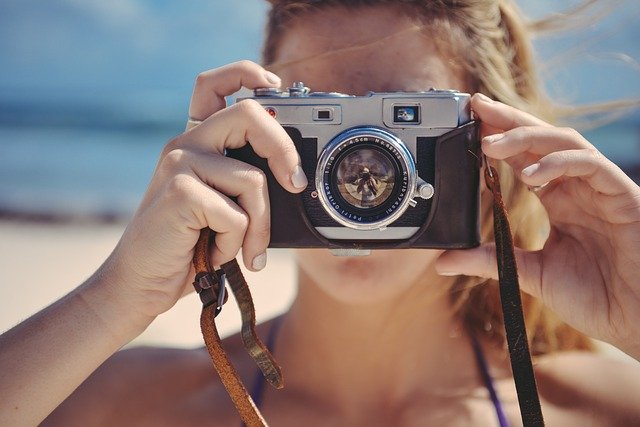
Do you like taking pictures but not know what to do from there? If you aren’t sure that the angle is correct, or the lighting is suitable, you can learn. You may have some experience already, but extra tips are always useful!
A good tip you can use when shooting photographs is to practice using digital techniques. With the right techniques, you can make your photos look like classic works of art. There are many options for digital editing software, although Adobe Photoshop is considered to be of the highest quality. Some of these programs are more complicated than others, but the filter function is how you can convert your photos to art-like quality. Tinker around here and find filters you like.
When you are learning, camera settings should be simple. Learn how to use your camera one feature at a time. Learn each one completely before moving on. This way, you can concentrate on taking the shot instead of fiddling about with camera settings while your subject walks away.
Try things that you think would be interesting and new; don’t be afraid to explore. An excellent picture needs to have its own personal style to it. Show this point of view to the rest of the world. Stay away from taking the same type of picture that you have viewed a million times over. Using your creative skills, try using some fresh angles.
Keep the arms close to the body and the hands around the bottom and along the sides of your camera when you hold it. This keeps the camera steady and reduces the number of blurred shots you take. Having your hands and arms placed like this also reduces the chances that you will get bumped or drop the camera.
Many photographers ignore the foreground in their shots focusing on the background, but the viewer sees the foreground. Put more time into composing your shot’s foreground to create more striking and deep photographs.
Having the background slightly out of focus, when shooting a live subject, can really enhance your photograph. A heavy focus on the background may draw your viewer’s attention away from your subject. Make sure there is a distance between the subject and the background to get this effect.
The ISO, aperture and shutter speed are an important part of photos so make sure you know the combination that works best for you. The picture exposure is dictate by these three items. Unless you are shooting for an artsy, atmospheric result, try to avoid under- or over-exposed photos. Try these different features to understand how they influence the pictures you are taking.
It is important that you make your subject feel relaxed and safe. Many people have an instinctive negative reaction to someone taking their picture. Be friendly and start a conversation, then kindly ask for permission to take photos. Let them understand that photography is not a way of invading their privacy, but it is rather an art.
Whether you want to pursue photography as a profession or just want to take better amateur photos, you should learn everything there is to know about photo composition. Bad composition can turn an otherwise-great shot into something that doesn’t seem quite right. Try studying and applying the rules of composition to all your photos to get better at photography.
A silhouette can look lovely in any picture. Many people rely on the sun to create a natural silhouette; however, there are many different ways to reproduce this effect. If the background of your photograph is brighter than the main subject, you may get a silhouette. It’s easy to create a silhouette by simply getting behind the subject with an off-camera flash. Alternatively, you could place the subject in front of a window that has light streaming through. However, be aware that the silhouette image may call attention to a less-than-flattering aspect of your subject.
Edit your photos yourself! There is a vast number of image editing software to choose from. Look for a program with an unlimited number of methods to edit your existing photos. Be sure to find one that you can learn to use, easily!
Filters work as extensions of your lenses. You screw them on the lens. They are useful because they’re are multi-purpose. A UV filter is the type that is most commonly used. This filter allows your camera lens to be protected from sunlight. It could also protect your lens if you ever drop it.
Red Eye
While it is common, red eye can make a great picture less than worthy of being showcased. Red eye is the result of using flash, so turn off the flash feature if you don’t need it. If the use of flash is required, try to have your subjects avoid looking directly into the camera lens. Some cameras come with an anti red eye feature.
Use many different shutter speeds. The common strategy is to use a fast shutter speed so that the action is in focus and clear. Try using a slower shutter speed like 1/30 instead. Want to creatively capture the bicyclist riding by? The background will show the speed of the cyclist, while they themselves will appear crisp and clear.
You should think about your approach before you start taking pictures. Put some thought into it, and brainstorm about potential points of view, backgrounds or concepts. Much like painting, photography highlights the artist’s skill and creativity within each shot. Approaching photography in this way can create motivation and inspiration that will enhance the final product.
Everyday items, such as digital cameras and cellphones, have increased in their picture-taking quality, but still suffer from dramatic lighting problems. Many cell phone cameras aren’t equipped with built in flashes, so that makes it vitally important you put your subject in the best lighting as possible. In addition, zooming in really close can help block sunspots and shadows from appearing.
If you are serious about photography, you need to put in the time and dedication to gain knowledge so that you are best equipped to take on the art. Photography is a broad subject, and there are no consistent rules to taking a good photograph, so utilize these tips to get started.


