Imagine a world where fossil fuel companies actively invest in renewable energy. Picture a future where these powerful entities harness the potential of clean, sustainable sources to fuel our homes, businesses, and transportation systems. However, the reality is far from this ideal vision. This article explores the intriguing question of why fossil fuel companies, despite their vast resources and influence, are hesitant to embrace the transition to renewables. Discover the underlying factors and motivations that shape their decisions, as we unravel the complex dynamics that govern the energy industry.
Reasons why fossil fuel companies don’t invest in renewables
Limited financial incentives
Fossil fuel companies often choose not to invest in renewables due to limited financial incentives. While fossil fuels remain highly profitable, with established and lucrative markets, the financial viability of renewable energy sources can be uncertain. Fossil fuel companies typically prioritize short-term financial gains and the profitability of their existing operations, which often leads to a reluctance to allocate significant resources to renewable energy projects.
Additionally, the initial investment required for renewable energy infrastructure is typically higher than that of fossil fuel projects. The costs associated with designing, developing, and implementing renewable energy technologies can be substantial, and fossil fuel companies may view these expenses as unfavorable compared to their established and proven fossil fuel operations.
Another contributing factor to limited financial incentives is the inconsistent government support for renewable energy. Fossil fuel companies may be concerned about potential changes in policies or subsidies that could affect the profitability of their renewable energy investments. The uncertainty surrounding government support can make it difficult for companies to justify the financial risks associated with venturing into renewables.
Lack of expertise
Fossil fuel companies have traditionally focused on traditional business models centered around the extraction, production, and distribution of fossil fuels. As a result, they may lack the necessary expertise and experience in renewable energy technologies. The technical challenges associated with transitioning to renewables can be considerable, and many fossil fuel companies may not have the necessary knowledge or skills to effectively navigate these challenges.
Moreover, there is often a significant skills gap between the expertise required for fossil fuel operations and that needed for renewable energy projects. The workforce in fossil fuel companies may not possess the specialized knowledge and experience necessary for developing and managing renewable energy infrastructure. Bridging this skills gap would require significant investment in training and hiring new employees with expertise in renewable energy technologies.
Political influence
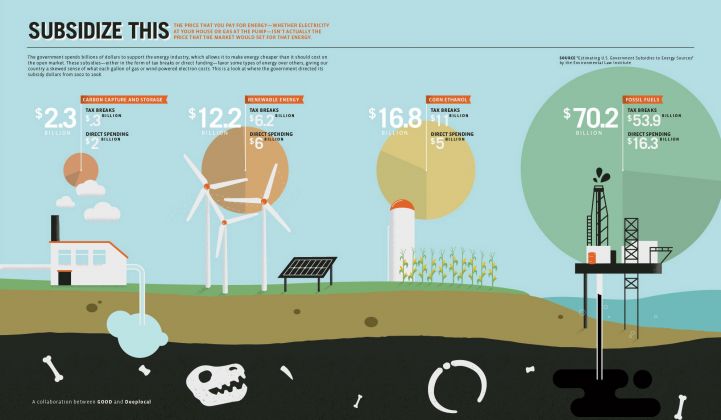
Fossil fuel companies wield significant political influence, which may serve as a barrier to their investment in renewables. Through political lobbying and influencing policy decisions, these companies can maintain the status quo and protect their interests in the fossil fuel industry. They may actively oppose or delay the implementation of policies that support renewable energy, hampering the growth and development of the renewable energy sector.
By shaping energy regulations, fossil fuel companies can ensure that their operations receive preferential treatment compared to renewable energy sources. This can include favorable tax breaks, subsidies, or other incentives that make fossil fuel investments more appealing from a financial standpoint.
Existing infrastructure
Fossil fuel companies possess extensive and costly infrastructure for the exploration, extraction, refinement, and distribution of fossil fuels. Transitioning to renewable energy would require significant investments to repurpose or replace existing infrastructure, which can be financially risky. The costs associated with dismantling or modifying fossil fuel infrastructure to accommodate renewable energy projects can outweigh the potential benefits in the eyes of fossil fuel companies.
Moreover, fossil fuel companies may face economic risks associated with the transition. The uncertainty of future market conditions and the potential for decreased demand for their products can make the prospect of transitioning to renewables seem financially unstable. This uncertainty can dissuade companies from diverting resources away from their existing profitable operations.

Competitive advantage
Fossil fuel companies often have a strong competitive advantage in the energy market due to their established market dominance. They have established relationships with suppliers, infrastructure, and distribution networks, which can be difficult for new entrants, including renewable energy companies, to replicate. Fossil fuel companies may perceive investing in renewables as a potential threat to their market share and competitive advantage.
Moreover, the renewable energy sector is often characterized by market uncertainties, such as the fluctuating costs of renewable technologies and the unpredictability of government policies. These uncertainties can make investments in renewable energy more risky compared to fossil fuels where the market is well-established and predictable. Fossil fuel companies may thus choose to stick to what they know best to protect their competitive positions and avoid potential losses.
Economic considerations
Fossil fuel companies often face pressure from investors to maintain short-term financial focus and deliver immediate returns. These pressures can result in a reluctance to invest in renewable energy, which typically requires a longer-term perspective. Investors are often risk-averse and may prefer investments with more guaranteed returns, such as fossil fuel operations, rather than betting on the uncertain future market conditions of renewable energy.

Uncertain return on investment
Investing in renewable energy involves inherent risks and uncertainties. Technological advancements can quickly render certain renewable technologies obsolete or less economically viable, leaving companies with stranded assets and significant financial losses. Additionally, inconsistent energy policies and changes in government support can impact the profitability and attractiveness of renewable energy investments.
The payback periods for renewable energy projects are often longer compared to fossil fuel projects. It can take several years for companies to recoup their initial investments and start generating profits. This longer timeframe can prolong the uncertainty of returns and dissuade fossil fuel companies from allocating significant resources to renewable energy projects.
Moreover, the renewable energy sector can be volatile, with fluctuating market conditions and unpredictable price dynamics. Fossil fuel companies may view the risk of investing in renewables as too high, preferring to maintain their stability in the fossil fuel industry.
Dependency on fossil fuels
Fossil fuel companies often have strong dependencies on their existing energy infrastructure and the vast reserves of fossil fuels they possess. Transitioning to renewable energy would require a significant shift in their operations, potentially leaving their existing infrastructure and untapped reserves underutilized or even stranded.
Moreover, there is a continuous demand for fossil fuels globally. While renewable energy sources are gaining traction, they still cannot fully replace the energy demands met by fossil fuels. Fossil fuel companies may consider that the lack of viable alternatives to fulfill the world’s energy needs could ensure a continued demand for their products in the foreseeable future.

Public image concerns
Fossil fuel companies have long faced criticism for their contributions to climate change and the environmental impact of their activities. Investing in renewable energy could be seen as a way for these companies to address these concerns and improve their public image. However, committing significant resources to renewables may still not alleviate public criticism and may instead be interpreted as a token gesture or greenwashing.
There may also be concerns that diverting resources to renewable energy projects could divert attention from improving the environmental performance of their fossil fuel operations. Fossil fuel companies may fear that investing in renewables would only further highlight the negative environmental impacts associated with their main business activities.
Resistance to change
Institutional inertia can pose a significant barrier to fossil fuel companies investing in renewables. Established corporate cultures and norms, resistance from shareholders, and fear of cannibalizing their existing profitable business operations can hinder the adoption of renewable energy projects. The transition from a fossil fuel-focused business model to one that incorporates renewables requires substantial changes in mindset, operations, and processes.
The fear of cannibalizing their existing business can be a major deterrent for fossil fuel companies. Investing in renewables can be seen as a threat to the profitability and survival of their core operations. This resistance to change and the potential financial risks associated with transitioning to renewables can lead fossil fuel companies to maintain their existing business models rather than pursuing renewable energy investments.
In conclusion, there are several reasons why fossil fuel companies often choose not to invest in renewable energy. Limited financial incentives, lack of expertise, political influence, existing infrastructure, competitive advantage, economic considerations, uncertain return on investment, dependency on fossil fuels, public image concerns, and resistance to change all contribute to their hesitation. Overcoming these barriers and shifting towards renewable energy will require overcoming financial challenges, expanding expertise, navigating political landscapes, adapting existing infrastructure, finding new competitive advantages, considering long-term economic impacts, reducing uncertainty, diversifying energy dependency, addressing public image concerns, and fostering a culture of innovation and change within these companies.