Imagine a world where renewable energy sources like solar and wind power are embraced and utilized on a large scale. Picture communities that prioritize sustainability and take active steps towards reducing their carbon footprint. In order to understand how we can bring this vision to life, it is crucial to explore the social and cultural factors that influence the acceptance and adoption of green energy practices. From societal norms to cultural beliefs, these elements play a significant role in shaping our attitudes towards renewable energy. By recognizing and addressing these influences, we can pave the way for a brighter and greener future for all of us.
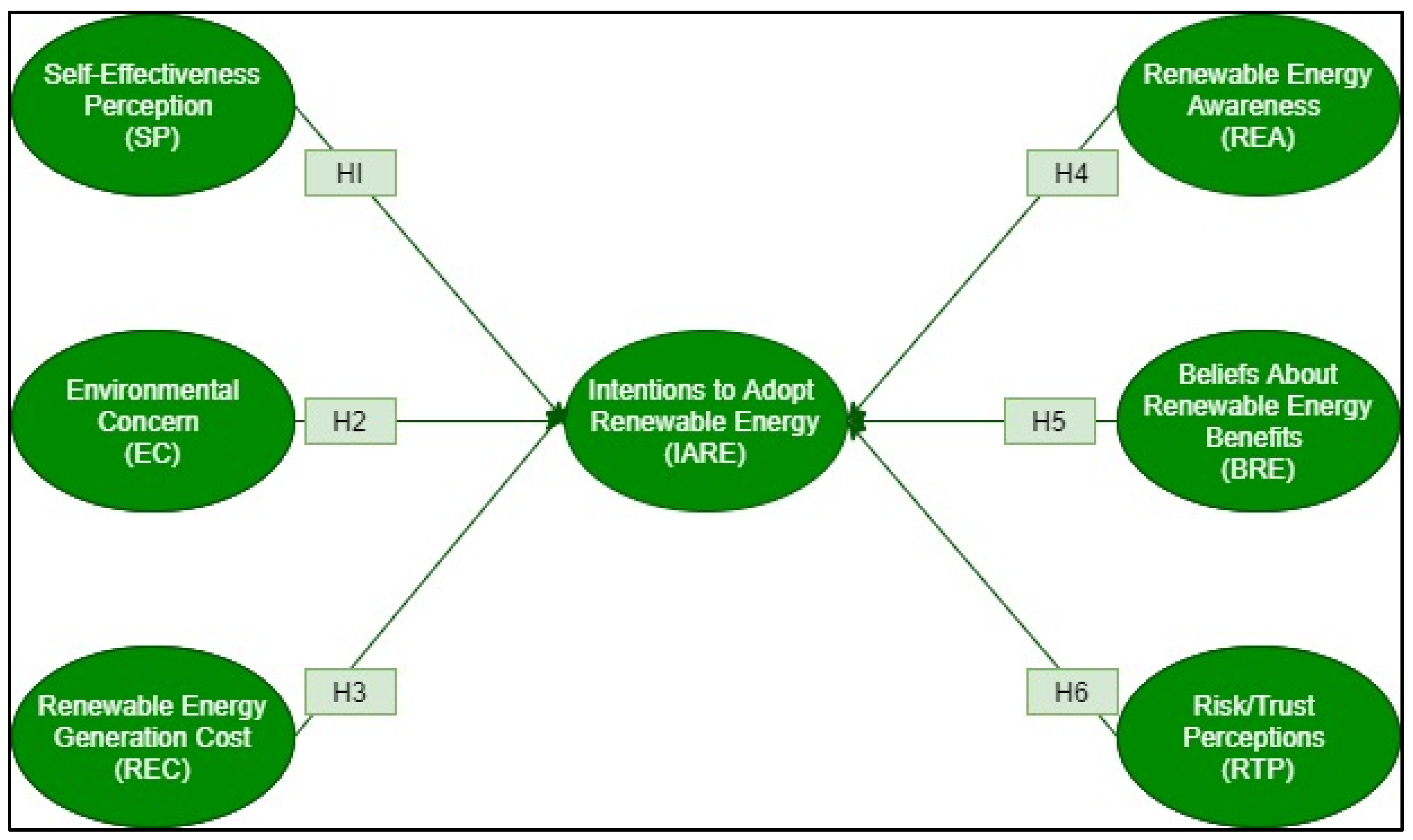
Values and Beliefs
Religion
Religion plays a significant role in shaping individuals’ values and beliefs, and this extends to their attitudes towards green energy practices. Many religious teachings emphasize stewardship of the Earth and the importance of preserving the environment for future generations. For example, in Christianity, the belief that God created the world and it is humanity’s responsibility to care for it has led to a growing number of environmentally conscious Christians embracing green energy practices. Similarly, in Buddhism, the concept of interconnectedness and the belief in non-harming encourages adherents to support sustainable lifestyles and renewable energy sources.
Environmentalism
Environmentalism, as a social movement, plays a crucial role in promoting the acceptance and adoption of green energy practices. It encompasses a wide range of individuals and organizations committed to the protection of the environment and the promotion of sustainable practices. Environmentalists educate the public, engage in advocacy, and push for policy changes that support the use of renewable energy sources. Their efforts have helped raise awareness about the urgent need for transitioning to green energy and have influenced public opinion and behaviors.
Sustainable Lifestyle
The concept of sustainability has gained significant traction in recent years, with more and more people recognizing the importance of living in a way that minimizes negative impacts on the environment. Adopting a sustainable lifestyle involves making conscious choices in various aspects of life, including energy consumption. People who prioritize sustainable living are more likely to embrace green energy practices such as using solar panels, wind turbines, or geothermal systems to power their homes. Their commitment to reducing their carbon footprint and promoting a more harmonious relationship with nature drives their acceptance and adoption of green energy practices.
Social Norms
Peer Influence
Peer influence plays a powerful role in shaping individuals’ behaviors and choices, including their acceptance and adoption of green energy practices. When individuals observe their peers engaging in environmentally friendly behaviors, they are more likely to do the same. This can be seen in situations where close friends or family members install solar panels on their roofs, prompting others in the social circle to consider doing the same. By providing real-life examples and tangible evidence of the benefits of green energy, peer influence can lead to a ripple effect, expanding the adoption of green energy practices within communities.
Social Pressure
Social pressure refers to the influence exerted by societal expectations, norms, and values on individuals’ behaviors and decisions. In the context of green energy practices, social pressure can act as both a positive and negative force. On one hand, individuals may feel a sense of obligation to adopt green energy practices to conform to societal expectations and be seen as environmentally responsible. On the other hand, there may be social pressure against adopting green energy practices due to a lack of awareness, misconceptions, or resistance to change. It is essential to address any negative social pressures and foster a supportive environment that encourages and rewards the adoption of green energy practices.
Conformity
Conformity, the tendency to adjust one’s behaviors or beliefs to align with the norms of a particular group or society, also influences the acceptance and adoption of green energy practices. When individuals perceive that using renewable energy sources has become the norm within their community or social group, they may be more inclined to conform and adopt these practices themselves. This can be seen in situations where entire neighborhoods or communities decide collectively to invest in solar or wind power. By creating a sense of belonging and normalizing green energy practices, conformity can significantly impact their acceptance and adoption.
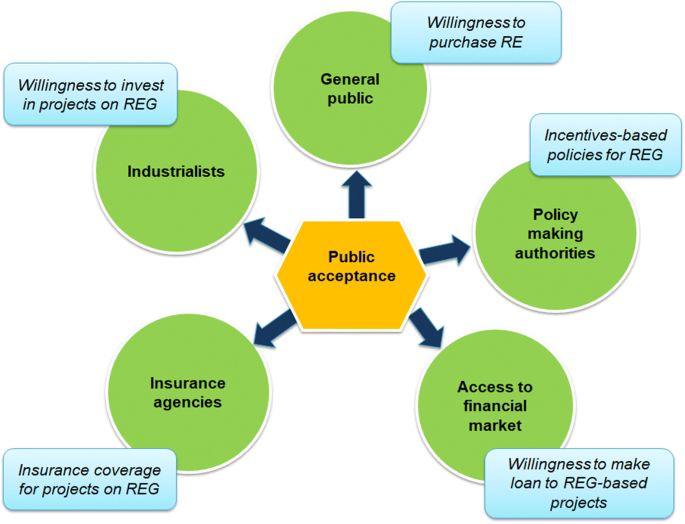
Education and Awareness
Knowledge Gap
The knowledge gap surrounding green energy practices and their benefits is a critical factor influencing their acceptance and adoption. Many individuals may not have access to accurate information about renewable energy sources or may hold misconceptions about their cost, reliability, or efficiency. Addressing this knowledge gap through comprehensive education is crucial. Providing clear and accessible information about the advantages of green energy practices, debunking common myths, and explaining the long-term environmental and economic benefits can empower individuals to make informed decisions and embrace these practices.
Educational Campaigns
Educational campaigns play a vital role in raising awareness about green energy practices and promoting their acceptance and adoption. These campaigns utilize various mediums, including workshops, community events, online platforms, and educational institutions, to disseminate information and engage the public. By highlighting the environmental, economic, and health benefits of adopting green energy practices, educational campaigns can change public perceptions, dispel any misconceptions, and inspire individuals to take action. Collaborating with experts, NGOs, and government organizations, these campaigns can effectively amplify the message and reach a wider audience.
Media Influence
The media, including traditional media outlets and digital platforms, has a significant impact on public opinion and behaviors. Through news reports, articles, documentaries, and advertisements, the media can shape public perceptions and raise awareness about green energy practices. By featuring success stories, showcasing the environmental benefits, and discussing relevant policies and technological advancements, the media can create a positive narrative around green energy. However, responsible journalism and accurate reporting are crucial to prevent misinformation and maintain public trust. Collaboration between media organizations, policymakers, and environmental experts can ensure the dissemination of accurate and engaging information to encourage acceptance and adoption of green energy practices.
Economic Factors
Cost of Green Energy
The cost of green energy technologies and their affordability to the general public is an important economic factor influencing their acceptance and adoption. Historically, renewable energy sources have often been more expensive than traditional fossil fuel-based alternatives. However, advancements in technology, economies of scale, and government incentives have contributed to cost reductions in recent years. As the cost of green energy becomes more competitive with traditional energy sources or even cheaper in some cases, the economic barrier to entry decreases, making it more accessible and appealing to individuals and businesses.
Government Incentives
Government incentives, such as tax credits, grants, and subsidies, play a significant role in encouraging the acceptance and adoption of green energy practices. These incentives help offset the initial costs of installing renewable energy systems, making them more financially feasible for individuals and businesses. By providing financial support and reducing the payback period, government incentives incentivize individuals and organizations to invest in green energy infrastructure. Additionally, favorable policies and regulations can create a stable market for green energy, attracting private investments and driving technological advancements.
Job Creation
The potential for job creation through the green energy sector also influences the acceptance and adoption of green energy practices. As the world transitions towards a more sustainable future, there is an increasing demand for skilled workers in green industries, such as solar panel installation, wind turbine manufacturing, and energy efficiency consulting. The creation of green jobs provides economic opportunities for individuals and communities, making the adoption of green energy practices not just an environmentally conscious choice but also an economically beneficial one. This aspect can help garner support from a wide range of stakeholders, including labor unions and local communities.
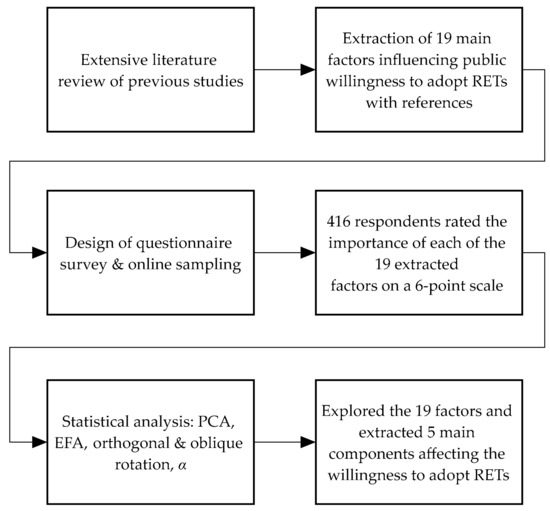
Infrastructure and Accessibility
Availability of Green Energy Infrastructure
The availability of green energy infrastructure, such as solar and wind farms, is crucial for the acceptance and adoption of green energy practices. Individuals need access to reliable and efficient renewable energy sources in order to transition away from traditional energy systems. Governments, energy companies, and private investors play a crucial role in developing the necessary infrastructure, ensuring its scalability, and integrating it with existing energy grids. Increasing the availability of green energy infrastructure not only provides individuals with tangible options but also demonstrates a commitment to a sustainable and environmentally friendly future.
Accessibility for All
Ensuring that green energy practices are accessible to all is important for social equity and overall acceptance. Accessibility encompasses factors such as geographical location, income level, and infrastructure limitations. Efforts should be made to make green energy solutions available to individuals and communities regardless of their socioeconomic background. This can be achieved by implementing inclusive policies, providing financial support to low-income households, and focusing on community-based initiatives. By promoting equal access to green energy, barriers to adoption can be reduced, and a more inclusive and sustainable future can be achieved.
Proximity to Renewable Energy Sources
The accessibility of renewable energy sources plays a role in determining the adoption and acceptance of green energy practices. Proximity to these sources, such as abundant sunlight for solar energy or strong wind currents for wind energy, can significantly impact their feasibility and viability. Regions with favorable geographical conditions may find it easier to adopt and benefit from green energy practices. Therefore, it is essential to consider the geographical distribution of renewable resources and develop strategies to maximize their utilization. Additionally, advancements in energy storage technologies can help overcome limitations imposed by geographical factors and improve the adoption of green energy practices in areas with less favorable conditions.
Political Factors
Government Policies and Regulations
Government policies and regulations are instrumental in shaping the acceptance and adoption of green energy practices. Through policies such as renewable portfolio standards, feed-in tariffs, and carbon pricing, governments can incentivize the use of renewable energy sources and discourage the reliance on fossil fuels. Clear and supportive policies provide investors with stability and confidence, fostering the growth of the green energy sector. Moreover, the implementation of robust and enforceable regulations ensures that green energy infrastructure adheres to safety standards and environmental impact guidelines. By demonstrating a commitment to a sustainable future, governments can influence public opinion and drive the widespread adoption of green energy practices.
Political Will
Political will refers to the determination and commitment of political leaders to prioritize and promote green energy practices. Leaders who prioritize sustainability and understand the long-term benefits of green energy can play a crucial role in driving policy changes, allocating resources, and championing renewable energy initiatives. Their commitment to mitigating climate change, reducing greenhouse gas emissions, and transitioning to cleaner energy sources can inspire public support and encourage the adoption of green energy practices. Politicians who prioritize sustainability as part of their agenda are more likely to influence public opinion and mobilize support for sustainable policies.
International Agreements
International agreements and collaborations are important in addressing global environmental challenges and promoting the acceptance and adoption of green energy practices. Agreements such as the Paris Agreement, which aims to limit global warming, create a framework for countries to work together towards sustainable development. By committing to renewable energy targets and collaborating on technological advancements, countries can share best practices, support each other’s efforts, and collectively transition towards a sustainable energy future. International agreements not only provide a roadmap for action but also signal a global consensus on the importance of embracing green energy practices.
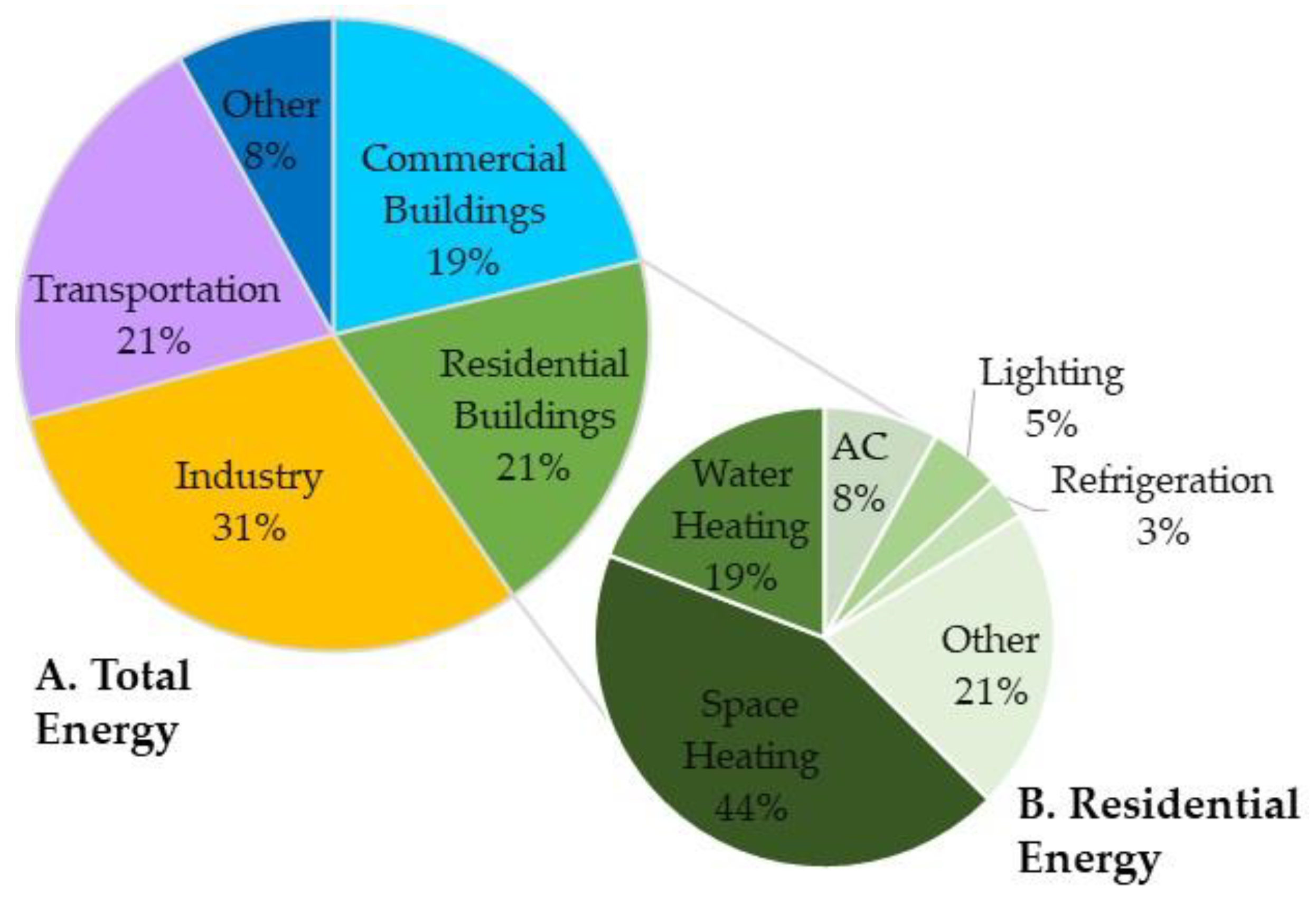
Community Engagement
Local Initiatives
Local initiatives play a vital role in driving the acceptance and adoption of green energy practices at the community level. These initiatives can be driven by grassroots organizations, local governments, or enthusiastic individuals who are passionate about sustainability. They often involve community-wide projects, such as installing solar panels on public buildings, implementing energy efficiency programs in schools, or organizing neighborhood clean energy campaigns. By empowering communities to take action, local initiatives create a sense of ownership and foster pride in adopting green energy practices. They strengthen community bonds, increase awareness, and inspire others to follow suit.
Community Participation
Active community participation is crucial for the successful implementation and acceptance of green energy practices. When individuals have an opportunity to engage in decision-making processes and contribute to the development of green energy policies, they feel a sense of ownership and responsibility towards these initiatives. Public consultations, community forums, and participatory planning allow individuals to voice their concerns, provide feedback, and contribute innovative ideas. By involving community members in the decision-making process, policies and initiatives can be tailored to address local needs and overcome potential barriers to adoption.
Collaboration and Collective Action
Collaboration and collective action are essential for driving the acceptance and adoption of green energy practices on a broader scale. Building partnerships between local governments, businesses, community organizations, and educational institutions can amplify efforts and leverage diverse resources. Collective action initiatives can involve joint fundraising campaigns, shared knowledge and expertise, or the formation of renewable energy cooperatives. By working together towards a common goal, communities can achieve greater impact and overcome challenges that may be too significant for individuals or isolated groups to address. Collaboration fosters a sense of unity, strengthens networks, and paves the way for systemic change.
Public Perception
Risk Perception
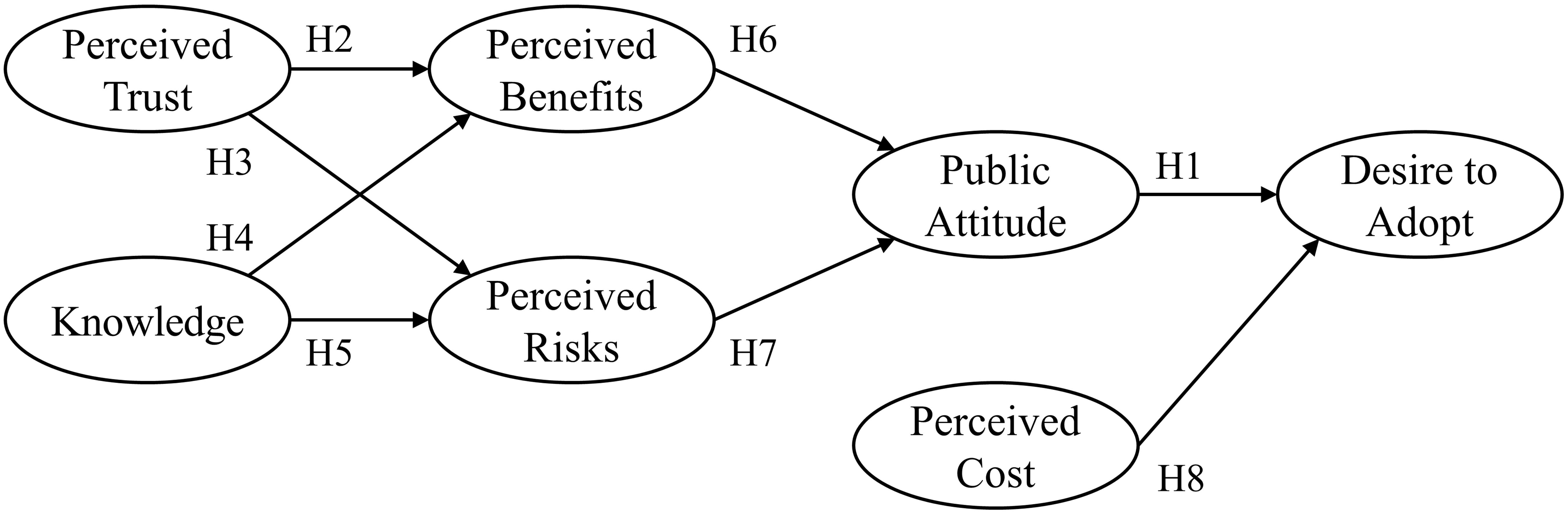
Public perception of green energy practices and associated risks can impact their acceptance and adoption. Individuals may perceive the adoption of renewable energy sources as risky due to concerns about their reliability, cost-effectiveness, or potential risks to human health and the environment. Addressing these concerns through accurate information, transparent communication, and showcasing successful case studies is crucial in shifting public perception. Highlighting the long-term benefits, environmental advantages, and technological advancements can help mitigate perceived risks and promote a more positive perception of green energy practices.
Trust in Institutions
Trust in institutions, such as governments, energy companies, and environmental organizations, influences the acceptance and adoption of green energy practices. Individuals are more likely to embrace these practices when they perceive the institutions promoting them as trustworthy and competent. Ensuring transparency, accountability, and a track record of successful sustainability initiatives can help build trust. Additionally, fostering partnerships between institutions and community members, promoting open communication, and involving stakeholders in decision-making processes can strengthen trust and help garner support for green energy practices.
Public Opinion
Public opinion plays a significant role in shaping social norms and influencing the acceptance and adoption of green energy practices. When a majority of the population views green energy practices favorably, it creates a positive social environment that encourages their adoption. Public opinion can be influenced by a variety of factors, including media portrayal, personal experiences, and the dissemination of accurate information. Educating the public, engaging in open dialogue, and addressing concerns and misconceptions can help shape public opinion in favor of green energy practices. By fostering a culture that values sustainability, individuals are more likely to embrace green energy as the new standard.
Historical and Cultural Context
Energy Dependence
Historical and cultural contexts, including past and present energy dependence, can influence the acceptance and adoption of green energy practices. Societies heavily reliant on fossil fuels may face resistance to transitioning to green energy due to economic, political, and cultural factors. Economic interests, established energy infrastructure, and cultural narratives centered around energy sources can create psychological and social barriers to change. However, with the increasing recognition of the environmental impacts of fossil fuels and the urgency to mitigate climate change, societies are reevaluating their energy dependencies. By highlighting the benefits and opportunities associated with green energy, historical and cultural contexts can shift to support a sustainable energy future.
Traditions and Customs
Traditions and customs rooted in cultural practices can impact the acceptance and adoption of green energy practices. Some communities may have deep-rooted customs that shape their energy consumption patterns, such as the use of biomass or traditional fuels. Integrating green energy practices into existing traditions, customs, and cultural practices can promote their acceptance. For example, incorporating solar-powered technologies into traditional festivals or using renewable energy sources for cultural rituals can simultaneously preserve cultural heritage and embrace sustainability. By recognizing and respecting cultural traditions, green energy practices can align with cultural values, paving the way for a culturally inclusive and sustainable future.
Historical Events and Narratives
Historical events and narratives can shape public perception and influence the acceptance and adoption of green energy practices. Disasters such as nuclear accidents or oil spills have highlighted the risks associated with certain energy sources, leading to a collective awareness of the need for a transition to cleaner and safer alternatives. Historical events can serve as catalysts for change, mobilizing public support and policy reforms. Additionally, historical narratives that emphasize the interconnectedness between energy production and environmental degradation can prompt individuals and communities to embrace green energy practices as a means to rectify past mistakes and build a sustainable future.
Technology and Innovation
Advancements in Green Technologies
Advancements in green technologies play a crucial role in the acceptance and adoption of green energy practices. Technological innovations lead to improvements in the efficiency, reliability, and affordability of renewable energy sources. Breakthroughs in solar, wind, and hydroelectric technologies have made them more accessible and viable alternatives to traditional fossil fuels. Additionally, advancements in energy storage technologies, such as lithium-ion batteries, enhance the feasibility of renewable energy systems by addressing intermittent power supply issues. As green technologies continue to evolve and become more efficient, individuals and businesses are more likely to embrace and invest in these practices.
Innovation in Energy Solutions
Innovation in energy solutions beyond traditional renewable sources continues to expand the possibilities for green energy practices. Technologies such as wave energy converters, geothermal heating and cooling systems, and bioenergy solutions provide additional options for individuals and communities seeking sustainable energy alternatives. These innovative solutions not only diversify the range of green energy options but also provide new avenues for investment and job creation. By nurturing a culture of innovation and supporting research and development in the energy sector, societies can drive the acceptance and adoption of green energy practices by offering novel and customizable solutions.
Technological Readiness
Technological readiness refers to the ability of individuals and communities to adapt to and adopt new technologies effectively. The readiness to embrace and utilize green energy practices is influenced by factors such as access to infrastructure, technical knowledge, and digital literacy. Ensuring widespread technological readiness is crucial for the acceptance of green energy practices. Providing training and education programs, as well as investing in infrastructure development, can enhance people’s skills and capacity to adopt and maintain green energy technologies. Technological readiness promotes confidence and empowers individuals, enabling them to actively participate in the sustainable energy transition.