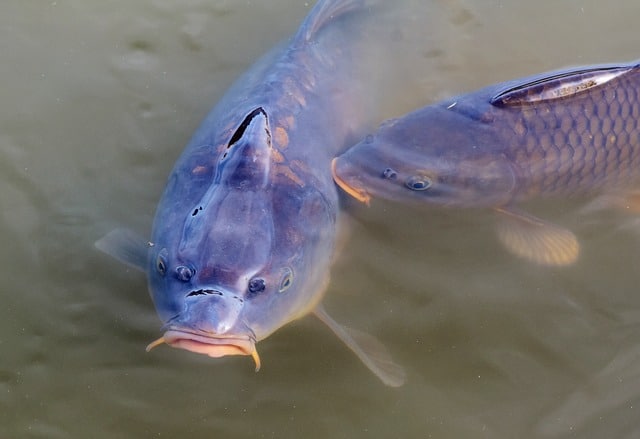
Fishing has been enjoyed by people for centuries. Being out in nature and the anticipation of that first bite is what every fisherman lives for. You can always find new ways to fish; some of these techniques may exceed your expectations and work better than the techniques you’re familiar with. Continue on for some excellent advice which can make your fishing better.
Wade through water very carefully. Whenever wading in a river, make sure to walk carefully and safely. This will not only keep you safe, but it will also help prevent you from making noise that will frighten the fish away. Try not to disturb anything on the river bed, and take your time.
Fishing Hook
One sharp fishing hook will catch more fish than ten dull ones. A well sharpened fishing hook makes sure that anything you catch will remain hooked on as you reel it in. Frequently test how sharp your hooks are, and quickly sharpen or replace them if they start to get dull.
It’s advised to go fishing with someone who has experience if fishing is new to you. They’ll not only be able to give you worthwhile advice, they’ll also show you how to keep yourself out of dangerous situations.
Always look at weather reports when fishing so you know it’ll be safe. It is also wise to have a radio at all times, because the weather could be unpredictable and it will help you in keeping up with it.
Learn more about migration patterns to find out if you should be fishing uphill or downhill according to the season. Casting uphill in the spring will get you more bites. Conversely, during fall, fish downhill because the fish are going the other way.
All fishermen should carry a scale when they’re out fishing. If you prefer to release fish after they are caught, you should be able to weigh them beforehand. You might change your mind about tossing the fish back!
River Fishing
For successful fishing, search out deep waters. It is best to fish in deep water when river fishing. Fish prefer the cooler deep waters, especially on hot summer days. In addition, they enjoy hanging out around big rocks and ledges. Once your trial and error helps you discover a good river fishing spot, make a note of it for future trips.
You can use grubs to successfully catch bass. They’re really small lures that can catch big fish. Many fishermen use them to catch smallmouth bass, and they also make great bait for largemouth bass. They are most effective for use in the low coverage areas, such as highland reservoirs.
Fishing responsibly is something you need to learn to do. Be careful of the environment while fishing; don’t do anything that could harm it. Don’t litter if you decide you will bring drinks and snacks with you. Look into any regulations regarding the amount of fish you are allowed to catch, and follow them. Put small fish back as you can’t eat them anyway.
If you don’t want to use earthworms as bait, try spinner-bait. It’s easy to use and good for beginners. This type of lure is ideal for fishermen who regularly fish in shallow, cloudy water or shaded areas. Spinnerbait is typically used to attract bass, but it can also lure crappie.
If you are going fishing, be sure to take a kit full of essential supplies with you. The list of important items varies, based on where you choose to fish. Items like sunblock, wide-brimmed hats, and sunglasses are must-haves for any fishing trip. If you plan on going into the wild to fish, be sure to also carry a cell phone, compass, and flashlight.
Clouds can be useful too. When it is cloudy, water becomes dark, and fish will search for food, though they are unable to see. As a result, the feeding period is somewhat longer; you are more likely to encounter hungry fish. One caveat the water must be warm enough for fish to be active.
People love eating fish and they will continue to love it for many years. Use and practice the tips that you read, and when you go on a fishing expedition, you are sure to be successful. By using a new hint every day, you might end up catching many more fish than you imagined!