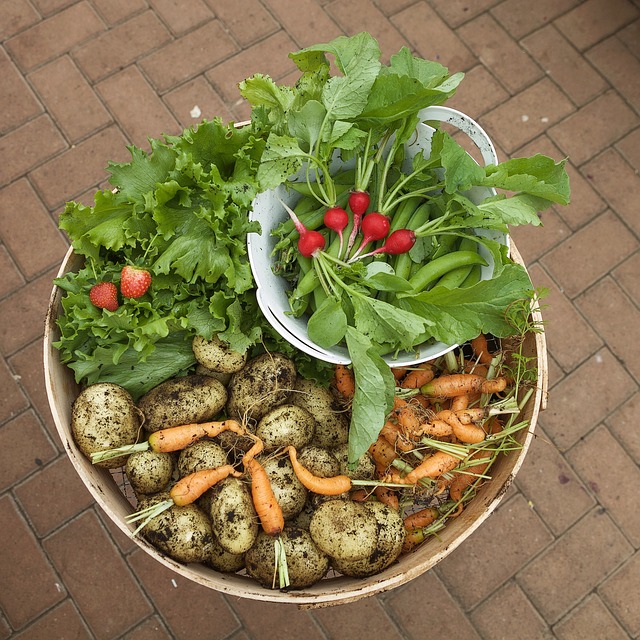
Having an organic garden is a great way to have access to healthy foods whenever you want them, which will ultimately lead to a healthier diet. Growing an organic garden does take some planning, though. This may make you wonder how you can begin to grow your personal organic garden.
Involve your children in gardening. A garden can provide a wonderful learning experience for children, and will give you an opportunity to bond with them while you produce healthy food.
You will garden more efficiently if you keep your tools close by. You can make use of a bucket, or wear pants that have plenty of pockets. Keep your gloves, pruning shears, a hand spade and your other tools handy to quickly and easily do your garden maintenance.
Plastic bags can be kept on hand and reused to slip over your dirty gardening shoes. This way, you can maintain your momentum and head right back to your garden so that you can finish what you were doing.
Procrastination leads to problems in a variety of areas, including organic gardening. You may not have a lot of time to exclusively devote to your gardening hobby, but you can make the most of the time you do have. While you are with your pet outside, pull some weeds while the pet does its business.
When planting seeds in containers, plant the seed roughly three times deeper than the seed’s size. It is important to note though, that not all seeds are covered to this depth, as some need direct sunlight to grow properly. Some common examples include ageratum and petunias. If you are unsure about the specific needs of your seeds, you should consult your local garden center or conduct further research online. Important things to look for include water requirements, ideal soil type, and recommended sunlight exposure.
It can be hard at times to grow your own organic garden, yet it is so much more rewarding in the end. Although chemical fertilizers and pesticides can offer impressive claims, choosing the organic route will always yield the best food in the end.
Too much water may hurt plants since extra water can keep roots from getting the nutrients they need from the soil. Before watering your organic garden, check weather forecasts to determine if it is likely to rain later that day. If rain is on its way, you are probably safe to skip watering duties for the day.
Organic foods don’t contain any chemical pesticides. This provides benefits for your family, but you ought to double check for pests.
Tomato Seedlings
To get a good start, look below the surface! For instance, if you buy tomato seedlings for an organic plot, be cautious if you find green, lush-looking starts that have underdeveloped root systems. These starts can stay on the tomato seedlings for a long time, and the seedling won’t start to grow until these starts have gone.
You can simply make a newer garden for perennials with a few steps. Cut under the turf with a spade, flip it over, and cover the whole area with several inches of wood chips. After the new bed has settled, you can start planting your perennials.
In order to start a garden, you are going to need to know how to make beds. The first step is to dig under the soil with a spade. Once it is sliced, flip the turf up exposing the soil underneath. Now cover this exposed area with wood chips, about 3 or 4 inches. After several weeks, you can begin to cut in it, then plant.
Organic gardening has been made much easier! Use native grass, plants and bushes. If you opt for native plants that work well with your climate and soil, you will be less likely to need expensive fertilizers and pesticides. This way, your plants will thrive using compost created from other regional ingredients.
In conclusion, creating and maintaining an organic garden requires hard work, effort and research. It also holds true, that if you want to see results, you need to keep putting effort into it. Remembering the above tips, you can successfully grow an organic garden.